Situation guide · Outings
My child is terrified of the doctor
This fear is very common and has real reasons: an unfamiliar place, waiting, someone touching them, sometimes pain. With good preparation, appointments often go much better.
In brief
In the moment: stay physically close, say what will happen, just before it does, tell the clinician, and fill the waiting time. Once things are calm, identify what triggers it, and prepare for next time with a visual board adapted to your child.
- Autism
- ADHD
- Diagnosed or not
- Ages 2 to 14
Updated

In the moment
Right now
Stay physically close.
On your lap, against you, their hand in yours: your presence is the first anchor.
Say what will happen, just before it does.
“The doctor is going to listen to your heart. It doesn’t hurt.” No surprises, no lies.
Tell the clinician.
“He’s scared, he needs things explained before he’s touched.” Most will adapt readily.
Fill the waiting time.
Comfort object, a book, a short video: waiting with nothing to do makes fear grow.
Acknowledge their courage, even if it was hard.
How the visit ends matters a lot for the next one.
What often makes it worse
- Saying it won’t hurt when it will: they won’t trust you next time.
- Using the doctor or shots as a threat at other times.
- Holding them down without warning, except for urgent care.
Understanding it
Why it happens
The unknown
What it looks like
They panic in a new office, with a clinician they don’t know.
What helps
Show photos of the place and the person beforehand; keep the same clinician when possible.
Being touched
What it looks like
They tense up as soon as someone approaches, refuse the stethoscope or ear scope.
What helps
Announce each step, let them touch the instrument first.
A bad memory
What it looks like
They cry as soon as they recognize the waiting room or the scrubs.
What helps
Visits “for nothing” when possible, and always a positive ending.
Waiting
What it looks like
It builds during the wait, before even seeing the doctor.
What helps
Ask for the first appointment of the day, or to wait outside.
When to mention it to your pediatrician
Some signs are worth showing your child’s doctor, to check that pain or another cause isn’t behind it.
- Fear is preventing important care: vaccines, dental work, blood tests.
- A procedure went very badly: ask for accommodations next time (first appointment of the day, numbing cream, less waiting).
- Some clinics and pediatric dentists specialize in autistic children: ask your pediatrician for a referral.
When things are calm
For next time
- Question 1 of 3, current
- Question 2 of 3
- Question 3 of 3
Question 1 of 3
Which appointment do you need to prepare?
Look at the board several times before the appointment, and bring it. You can also show it to the clinician: it tells them how your child needs to be prepared.
Available supports
Library boards and templates suited to this situation, usable right away.
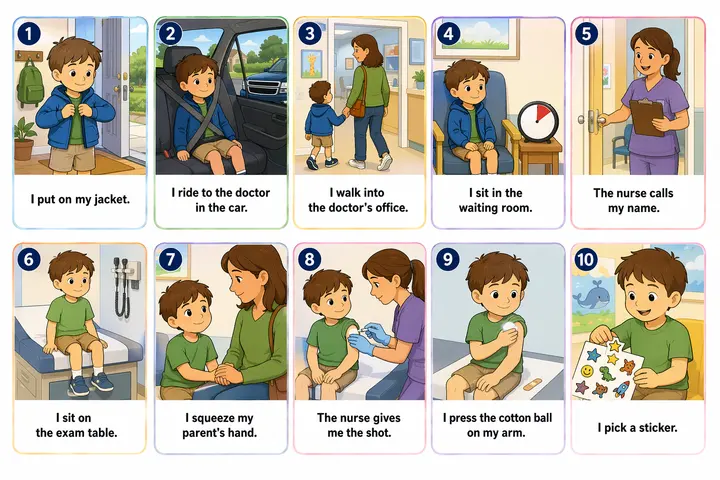
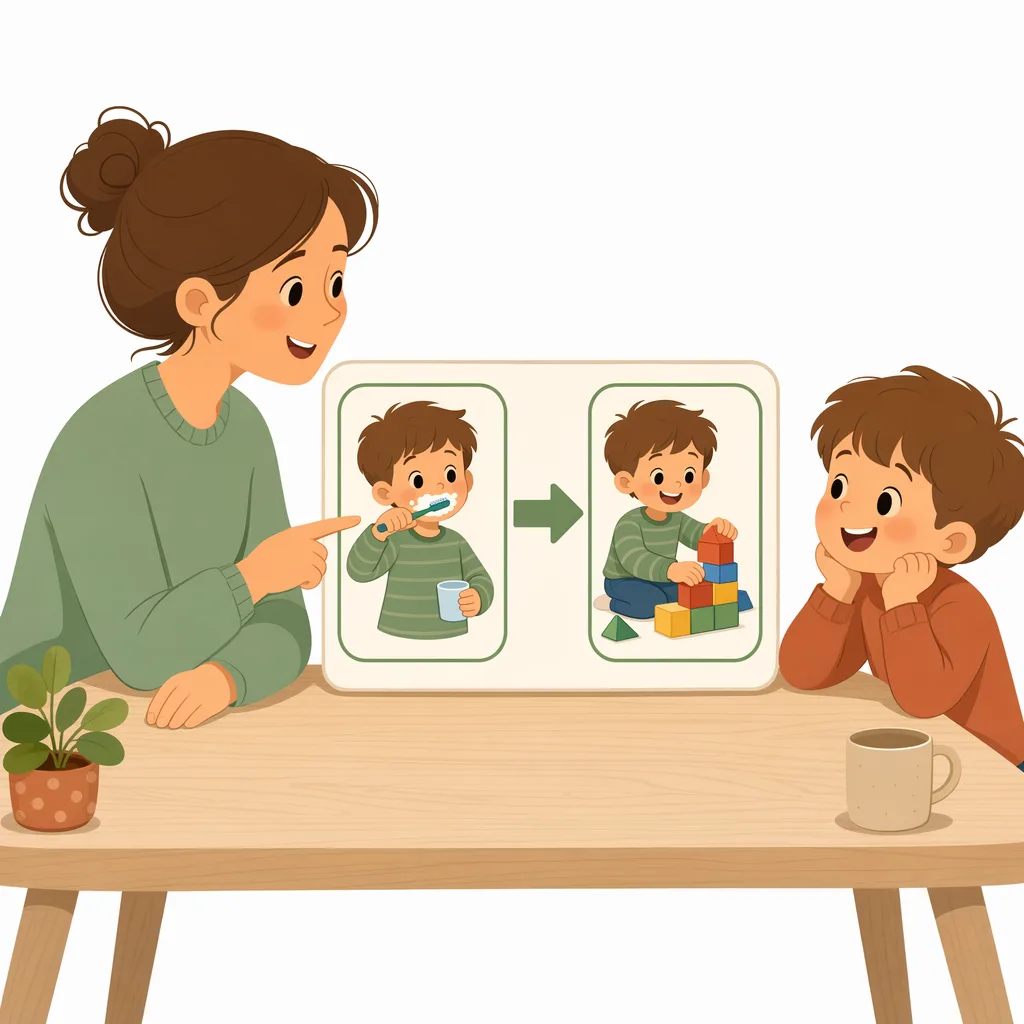
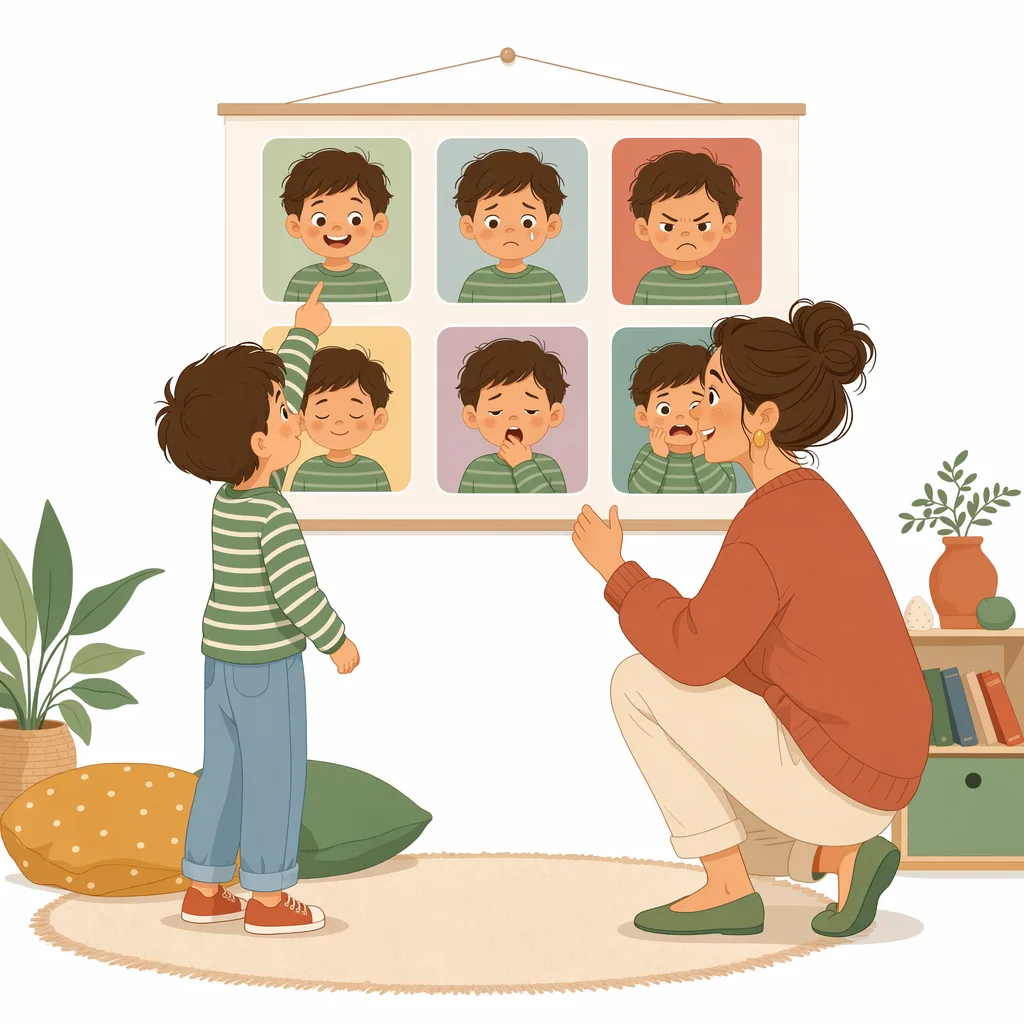
For you
And you, before the appointment?
Dreading an appointment for days, holding your child during a difficult procedure: it takes a toll. You are entitled to ask the clinician to slow down, or to postpone non-urgent care if the day is too hard.
If it keeps happening
A parent training program
- Triple P, Incredible YearsGeneral programs: handling fears and new situations.
- CST (WHO)Ages 2 to 9, autism or developmental delay.
This guide is educational, not medical. It does not replace your child’s doctor or the team that supports your child.