Situation guide · Outings
Store trips end in meltdowns
Other people’s looks do not define your parenting. Lights, noise, crowds and waiting at checkout make a store one of the most demanding places there is for a sensitive child.
In brief
In the moment: move somewhere quieter if you can, reduce what they take in, few words, low voice, and set the looks aside. Once things are calm, identify what triggers it, and prepare for next time with a visual board adapted to your child.
- Autism
- ADHD
- Diagnosed or not
- Ages 2 to 12
Updated
In the moment
Right now
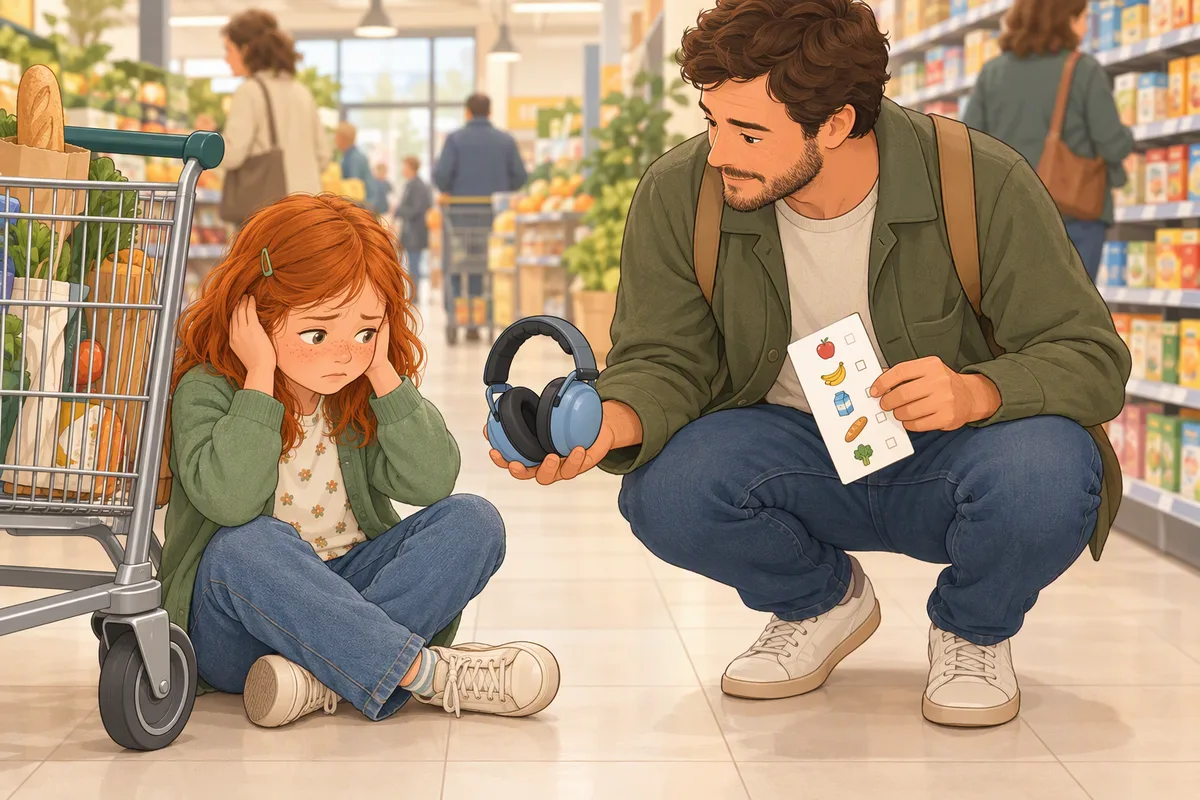
Move somewhere quieter if you can.
A less busy aisle, the entrance, the car. Less noise, fewer eyes.
Reduce what they take in.
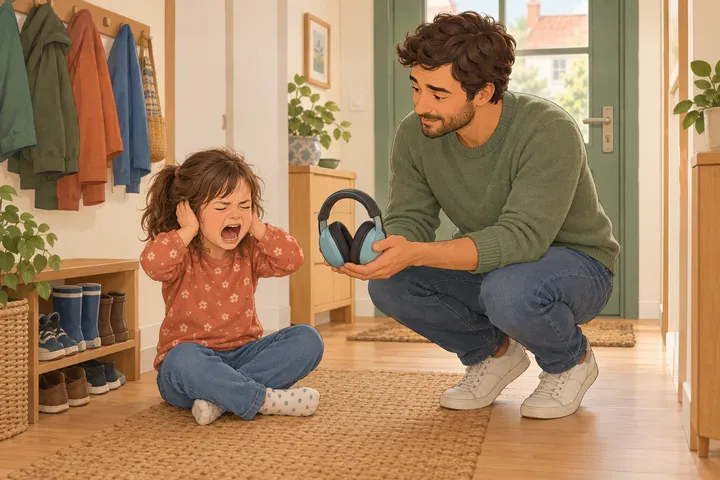
Headphones, a hood, sunglasses: store lights and noise are often the cause.
Few words, low voice.
“I’m here. We’re taking a break.” No explanations or negotiation now.
Set the looks aside.
Your child matters more than strangers. A ready sentence helps: “He’s autistic, he needs a moment.”
Allow yourself to leave.
Leaving the cart and going home is not failure. You will try again, shorter and better prepared.
What often makes it worse
- Scolding them in front of everyone.
- Giving in to the item they want just to stop it, if that is the cause: they would learn the meltdown works.
- Finishing the trip at all costs.
Understanding it
Why it happens
Too many sensations
What it looks like
They cover their ears, squint, get more agitated aisle after aisle.
What helps
Headphones, quiet hours (early morning), smaller stores.
Waiting
What it looks like
It explodes at checkout or in line.
What helps
A picture list they cross off, a job (holding the basket), a timer.
What they want and won’t get
What it looks like
The meltdown starts over an item, often the candy near checkout.
What helps
Say before you go what you will and won’t buy, with a picture.
Not knowing when it ends
What it looks like
They keep asking “are we done?”
What helps
A short, visible list: when everything is crossed off, you go home.
When to mention it to your pediatrician
Some signs are worth showing your child’s doctor, to check that pain or another cause isn’t behind it.
- Store trips have become impossible, even short ones.
- They react very strongly to sounds or lights others barely notice: a sensory assessment by an occupational therapist can help.
- Public meltdowns are frequent and isolating you.
When things are calm
For next time
- Question 1 of 3, current
- Question 2 of 3
- Question 3 of 3
Question 1 of 3
When does it usually start?
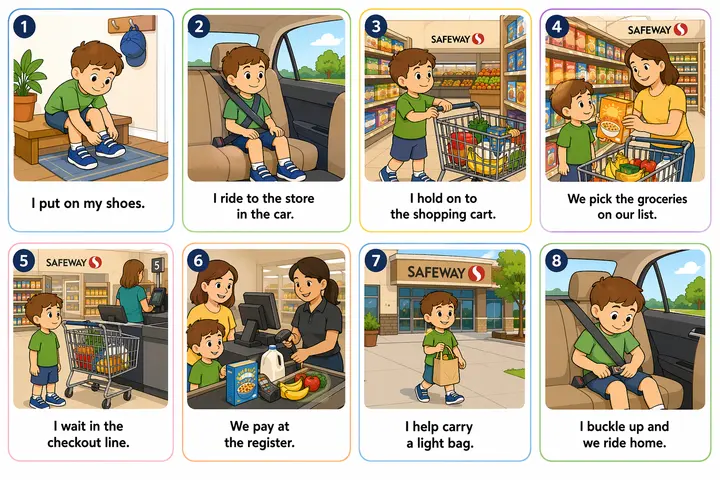
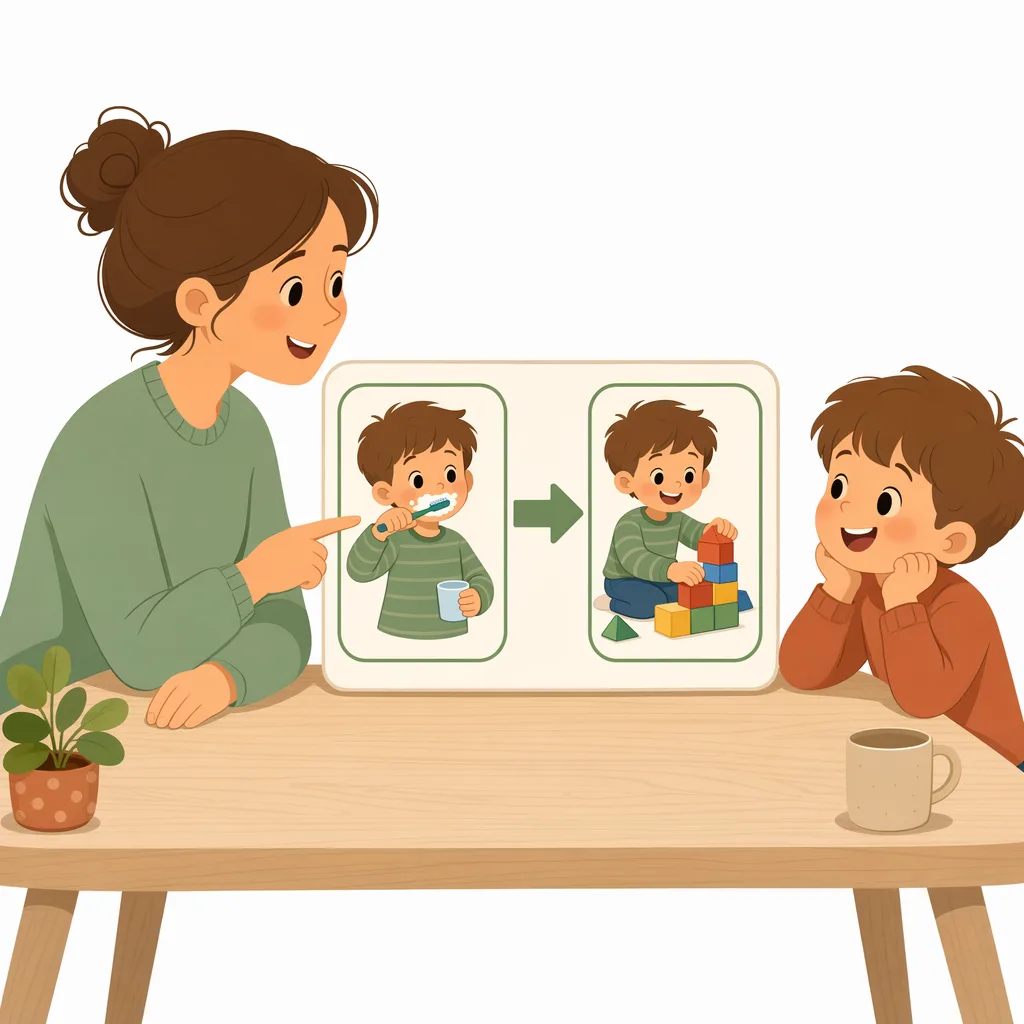
The board prepares the trip. Start with very short trips to a quiet store, then build up gradually.
Available supports
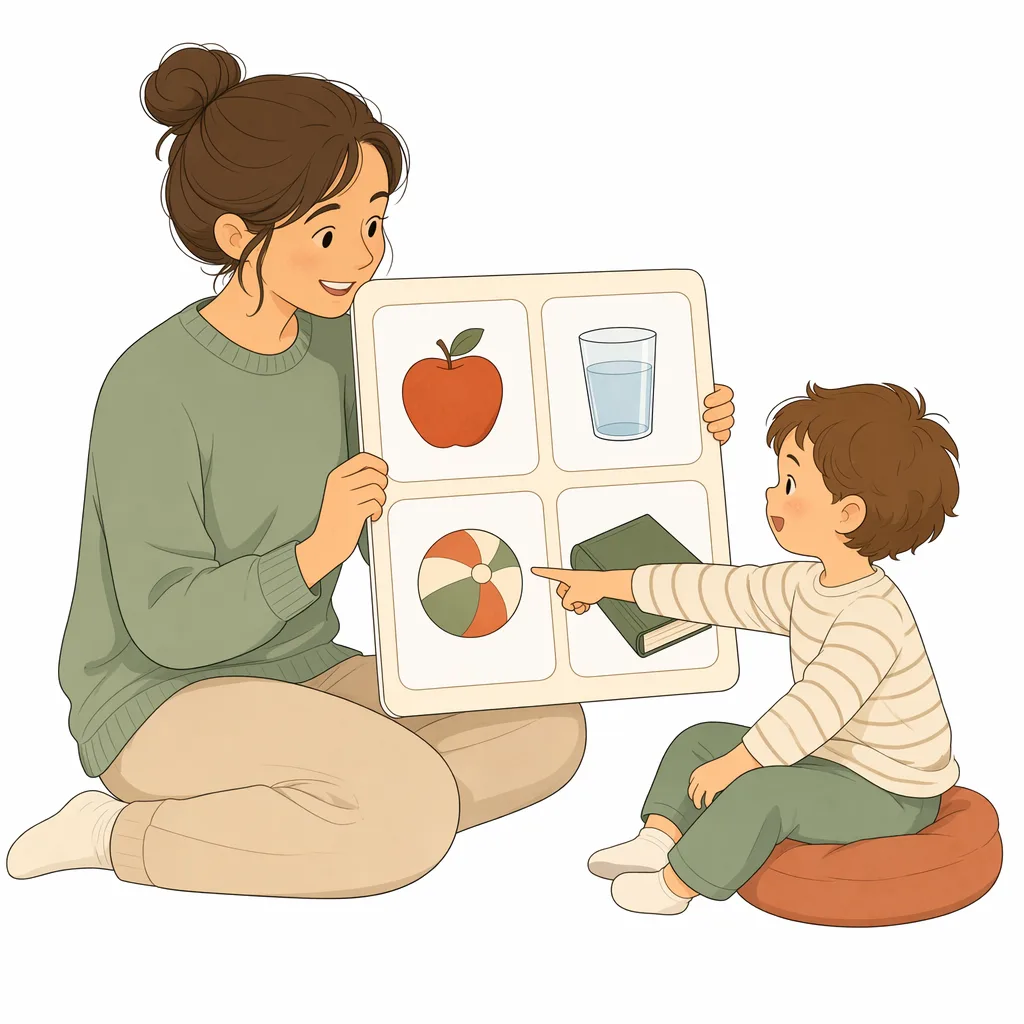
Library boards and templates suited to this situation, usable right away.
For you
And you, facing the looks?
A public meltdown, with the stares and sometimes comments, is an ordeal. Many parents end up avoiding outings. Grocery delivery, going alone, or shopping at quiet hours are legitimate solutions. You have nothing to prove.
If it keeps happening
A parent training program
- RUBIFor autistic children with challenging behavior.
- PCITAges 2 to 7, behavior problems.
- Triple PA general program, also available online.
This guide is educational, not medical. It does not replace your child’s doctor or the team that supports your child.